Participation

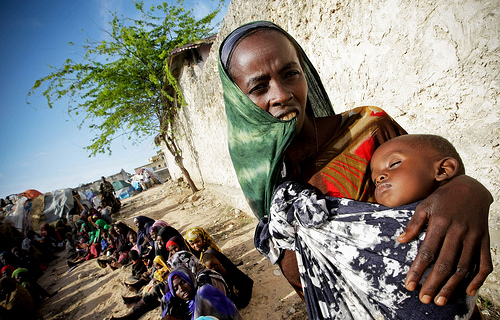
The Participation theme focuses on women’s representation and participation in peace processes, electoral process – as both the candidate and voter – UN decision-making positions, and in the broader social-political sphere.

The Security Council acknowledges the need for strategies to increase women’s participation in all UN missions and appointments to high-level positions in SCR 1325(OP3) and 1889(OP4) and further emphasises the need for women’s participation in peacebuilding processes (1889). 

Specifically, it calls for the mobilisation of resources for advancing gender equality and empowering women (OP14), reporting on the progress of women’s participation in UN missions (OP18), equal access to education for women and girls in post-conflict societies (OP11), and the increase of women’s participation in political and economic decision-making (OP15). Until this language translates into action, the potential for women’s full and equal contribution to international peace and security will remain unrealized.

For more resources on this Critical Issue, visit PeaceWomen Resource Center >>
MIDDLE EAST: In Virtual Middle East, It's a Man's World

Arab women use social media far less than men, a new survey shows

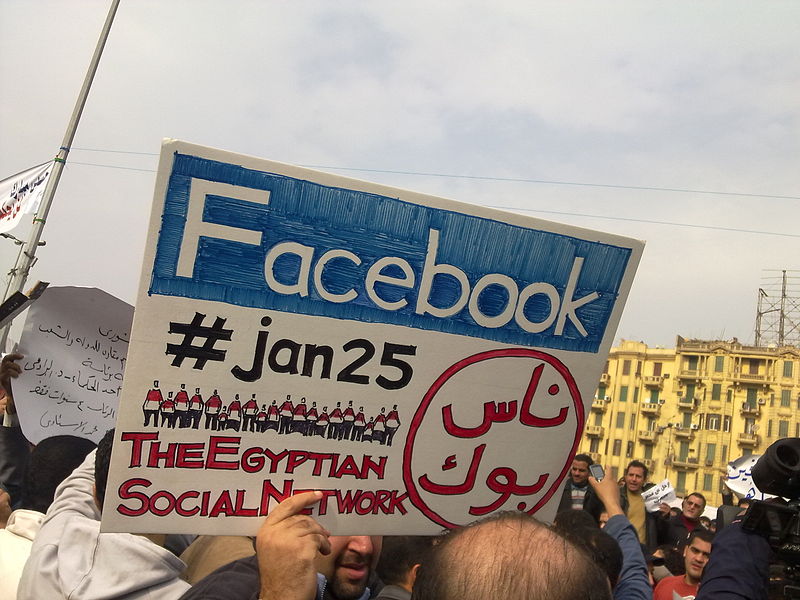
The virtual Middle East of Facebook,YouTube and Twitter has nearly twice as many men as women and, despite a year of political ferment and explosive growth in social media across the region, the ratio remains stubbornly unchanged.

MIDDLE EAST: A Woman's Touch in the Arab Spring

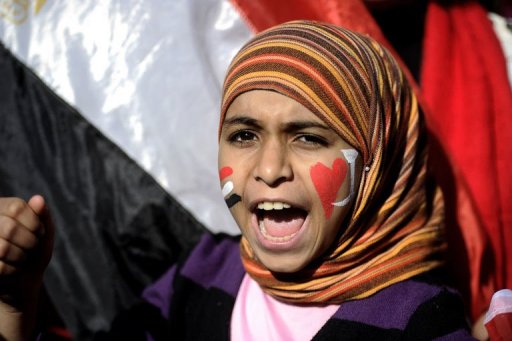
BEIRUT — An Egyptian woman beaten by soldiers, a Syrian blogger detained for her work and the first Arab woman to win the Nobel Peace Prize highlight the central role played by women in the Arab Spring uprisings.

SOUTH ASIA: Asian Women Shine in Politics

India's Indira Gandhi, Sri Lanka's Sirimavo Bandaranaike, Pakistan's Benazir Bhutto, Bangladesh's Shaikh Hasina, Philippines' Corazon Aquino and Indonesia's Megawati Sukarnoputri — these women leaders dominated South and South East Asia for much of the past four decades.

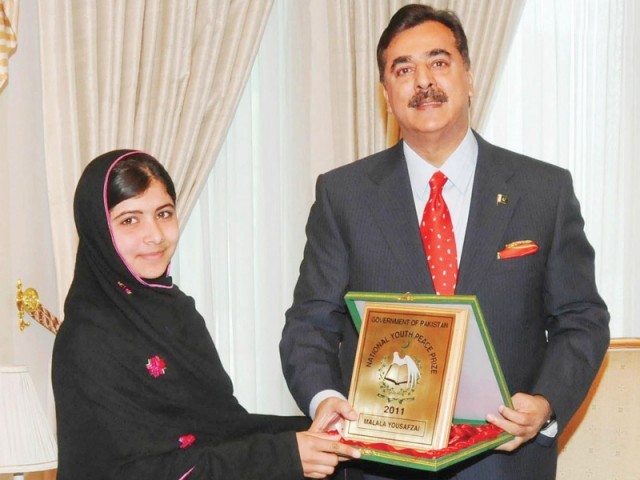
PAKISTAN: National Peace Prize Named after Malala Yousafzai

ISLAMABAD: Malala Yousafzai stood up against all odds. In defiance of the Taliban in Swat, she decided to acquire education and helped her peers to do the same. The thirteen-year-old's dauntless struggle is to now be officially recognised.

SOUTH ASIA: Women Drivers

Predictions for a new year can be risky at the best of times. They can be disastrous when the crystal ball shows South Asia and clairvoyance deals with India-Pakistan diplomacy, or for that matter, with anything to do with South Asia's foreign policies.

PAKISTAN: Black Clouds and Silver Linings

As the new year eve approached, my twitter and Facebook were filled with new year messages. Unfortunately, a sizeable number of those in Pakistan had less than fond memories of 2011 and hardly any hopeful predictions for 2012.

Understandably so.

CAMBODIA: Women Fight Land Grab Around Phnom Penh's Contested Lake

Nget Chhon, 71, was surprised, but not afraid, when anti-riot police punched her in the eye and beat her over the head during a protest against forced land evictions.

INTERNATIONAL: Rural Women as Decision Makers Viewed as Pivotal to Climate Change Solutions

Bringing rural women's voices to the decision making table was one of the discussions throughout the recent two week Durban Climate Talks (COP17) which ended on 9 December. One of the conference goals was to bring greater insights for action with solutions for climate change. But are global leaders bringing rural women's voices to the table?

Pages